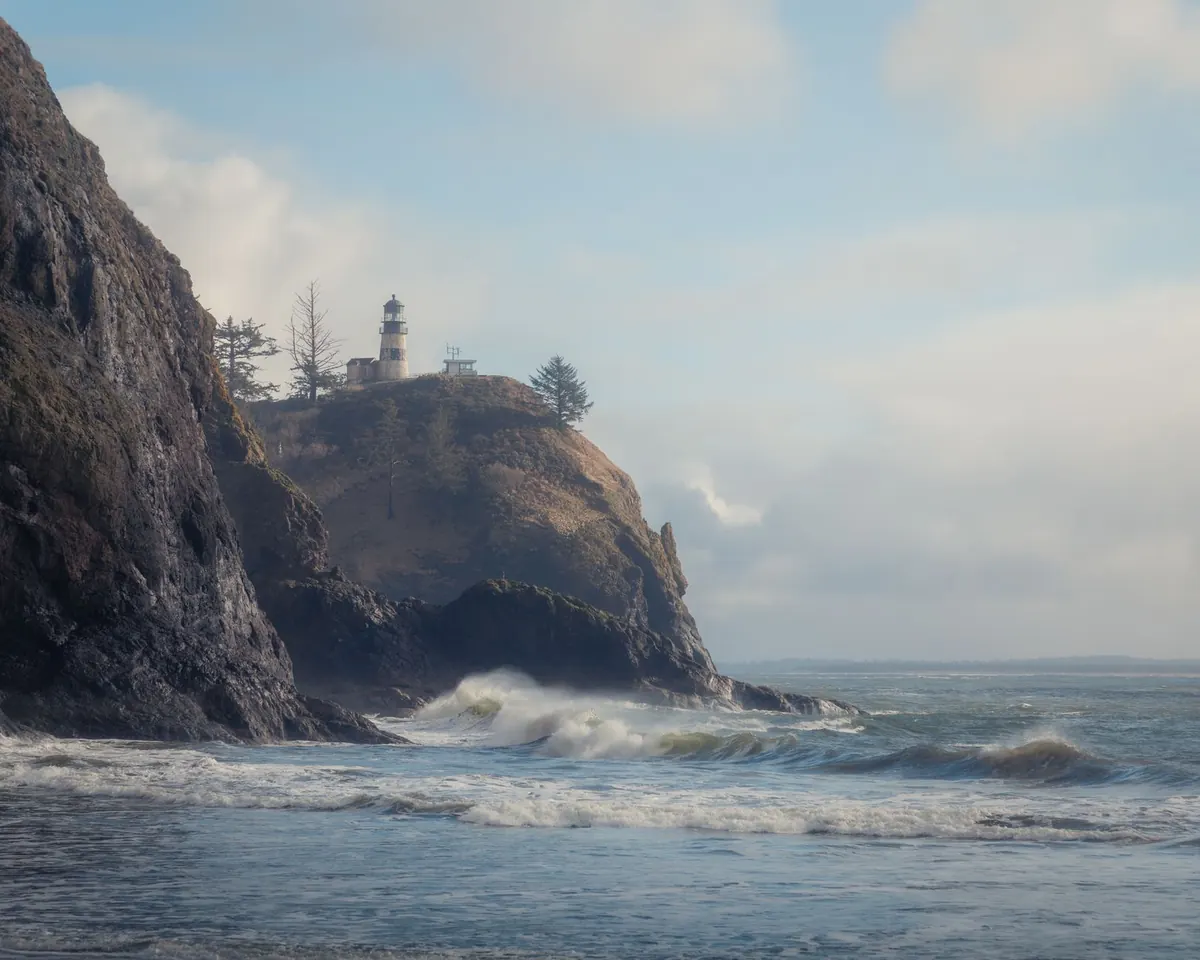
On a clear July afternoon, a North Atlantic lighthouse looks like a postcard: white stone, blue water, gulls wheeling. The keepers who lived there knew another version. They knew the tower in February, when spray froze on the gallery rail and the fog signal ran for three days. They knew the sound of the relief boat before they saw it, and the particular silence that followed when it left again. The stories of these stations are not only about shipwrecks and storms. They are about routine, endurance, and the quiet discipline of keeping a light burning when no one is watching.
The Day Begins Before Sunrise
At most North Atlantic stations, the keeper's day started long before the sun. The light had to be watched through the night, but morning belonged to maintenance. Brass was polished not for vanity but because tarnish and salt could jam a moving part. Lens panels were wiped with soft cloth. Clockwork was wound. Oil was filtered, or paraffin checked, or—later—the electric lamp and standby generator tested. The barometer was read, the weather logged, and the glass checked for cracks and condensation.
On a typical station, the morning round included:
- checking the lantern glass for salt, chips, and condensation;
- winding the clockwork that turned the lens;
- cleaning and trimming wicks, or checking the electric lamp and standby machinery;
- testing the fog signal and its manual backup;
- recording weather, visibility, and any passing vessels in the logbook.
None of this was glamorous. All of it mattered. A dirty lens could dim the beam. A stiff bearing could stop the rotation. A missed log entry could leave the next keeper guessing. The work rewarded people who noticed small things before they became large ones.
Weather Is the Supervisor
North Atlantic weather does not negotiate. Keepers learned to work with one hand on a rail and one eye on the sea. On rock towers, a ordinary trip to the outside gallery could become a careful negotiation with wind. Doors had to be opened with the wind, not against it. Loose tools were tied off or carried in a bag. A keeper who dropped a wrench on the gallery did not simply pick it up; they waited for a calm moment and a safe reach.
Fog was its own kind of labor. The signal had to be started, kept running, and watched. The keeper listened for ships, logged the hours, and checked the machinery between blasts. Ice was worse. It could seal a door, weight an aerial, or make the stairs treacherous. Keepers kept a shovel inside, a second exit clear, and a healthy suspicion of any surface that looked dry but shone in the lantern light.
Storms were not a break in the routine. They were the routine under pressure. The light still had to burn, the log still had to be written, and the morning inspection still had to happen—often with colder hands and a longer list of repairs.
Isolation, Company, and the Relief Boat
Remote stations were rarely alone in the sense of having nothing to do. They were alone with the same few people, the same walls, and the same weather. The relief boat brought food, mail, fresh water, medicine, and sometimes family. It also brought news, spare parts, and the small luxury of a different voice. When the boat was late, the keeper did not panic. He or she rationed, repaired, and waited.
The hard part was not one storm but the fourth week of one. Keepers read, repaired clothes, carved, wrote letters, and kept gardens where soil and shelter allowed. Some stations had radios; earlier ones had signal flags and passing ships. Published memoirs and station logs from places such as Fastnet Rock, Bishop Rock, and the Smalls return again and again to the same pattern: weather, watch, repair, wait. The details differ. The rhythm does not.
Isolation also had a social texture. A keeper might be responsible for a partner, a family, or a small crew. Tempers could fray. Small habits became large ones. The keepers who managed best tended to be those who kept a schedule, kept the station clean, and kept small disagreements from becoming station politics.
Rules, Records, and Handover
Lighthouse keeping was a rule-bound job, and the logbook was its memory. A good entry was plain: time, weather, action, result. “06:15, wind SW fresh, wiped lantern glass, clockwork winding due at 08:00.” “14:40, fog signal started, dense fog, visibility less than a cable.” The log was not a diary. It was evidence, instruction, and continuity.
Handover was a ritual. A departing keeper walked the incoming keeper through the station, not just the tower. At handover, a keeper wanted to know:
- what had failed and what had been repaired;
- how much fuel, oil, wick, and food remained;
- which fog signal parts were worn or suspect;
- what the weather had done in the past week;
- which visiting boats or inspections were expected.
This was practical courtesy, but it was also safety. A station that changed hands badly could fail quietly. A station that changed hands well carried its history forward in plain language.
Famous Accounts and What They Actually Teach
Famous lighthouse stories tend to focus on rescues and disasters, and those stories matter. They show what people do when the sea breaks over the wall and the boat is not coming. But the daily accounts are more useful for understanding the job. They show that keeping a light was less about heroics than about repetition: the same brass, the same wick, the same walk up the stairs.
The accounts also record boredom, petty quarrels, fear, and humor. A keeper could be competent and still frightened. A keeper could be lonely and still proud. Stations such as Sable Island, Cape Race, and the rock towers of the British and Irish coasts appear in these accounts not as romantic outposts but as workplaces with budgets, inventories, and maintenance lists. The romance is real, but it is a by-product. The job came first.
What Automation Changed
From the later twentieth century onward, automation and remote monitoring closed many North Atlantic stations. The job did not vanish overnight. Keepers became attendants, technicians, and heritage guides. Some stations kept a human presence for maintenance or tourism; others were monitored from ashore and visited by boat. The light still turned, but the daily round of brass and wick gave way to sensors, solar panels, and scheduled inspections.
The practical legacy is a set of habits worth keeping: check the glass, wind the clock, write it down, keep spare parts dry, and do not trust a calm sea to stay calm. Those habits built the stations. They also explain why so many former keepers speak of the work with affection rather than nostalgia.
Visiting a North Atlantic Light Today
If you visit a North Atlantic lighthouse, go with the weather, not against it. Check access and boat schedules before setting out; many towers sit on islands where tide and swell decide the day. Wear shoes with grip for wet stone and metal stairs. Do not touch the lens, brass, or painted surfaces more than necessary; skin oils and salt do quiet damage. Read the logbook extracts and plaques—they tell you what the postcard hides. Support the local preservation group if you can, because maintenance is constant and unglamorous. And if you meet a former keeper, ask about the relief boat, the fog signal, and the winter repairs. The storm stories are dramatic, but the daily ones explain why the light stayed on.
Photo: Ken Cheatham / Pexels